
How to Tie a Single Column Tie: Step-by-Step Shibari Anatomy & Rope Guide
The foundational knot of Japanese rope art, nerve safety checks, and somatic pacing
Ananya Sen
Intimacy & Somatic Research Lead
"A beginner-friendly technical guide to tying your first single column tie safely, understanding wrist nerve pathways, and establishing non-verbal communication."
The Foundation of All Rope Work
If Shibari is a tactile language, the Single Column Tie (SCT) is its first letter. Every complex chest harness, suspension rig, or body wrap begins with understanding how a single loop holds a limb without cutting off blood circulation or compressing delicate nerve bundles.
In this practical guide, we break down the mechanics of the Somerville Bowline Single Column Tie, the gold standard for beginner rope enthusiasts in India.
Rope and Texture Aesthetics
Preparation & Essential Gear
Before placing any fiber on human skin, ensure you have the proper tools:
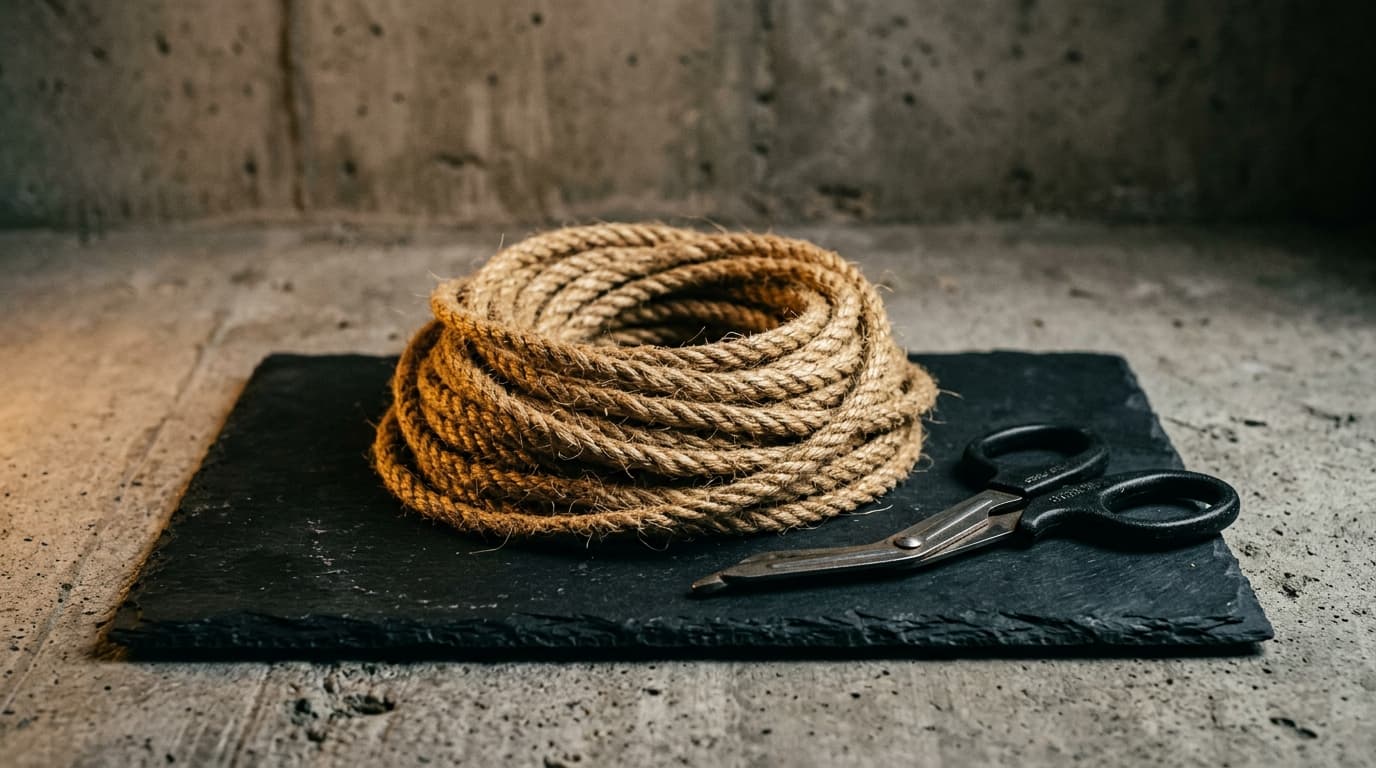
- ✦Rope Material: 6mm 3-ply natural Jute or processed Hemp, approximately 7.5 to 8 meters long. Never use synthetic nylon rope from local hardware stores.
- ✦Safety Shears: EMT medical trauma shears with rounded blunt tips placed on the floor right beside you.
- ✦Surface: A firm, warm floor mattress or padded mat. Never tie over unstable furniture.
Step-by-Step Tying Instructions
Step 1: Locating the Safe Zone
Place the rope around the forearm or ankle, roughly two inches above the joint. Avoid placing knots directly over the wrist pulse point where the radial nerve is exposed.
About the Author
Ananya Sen
Curator of intimacy research, somatic practices, and spatial psychology at Nothingness. Specializes in relationship dynamics, consent frameworks, sensory architecture, and private sanctuary design across India.